

Product Description
Overview
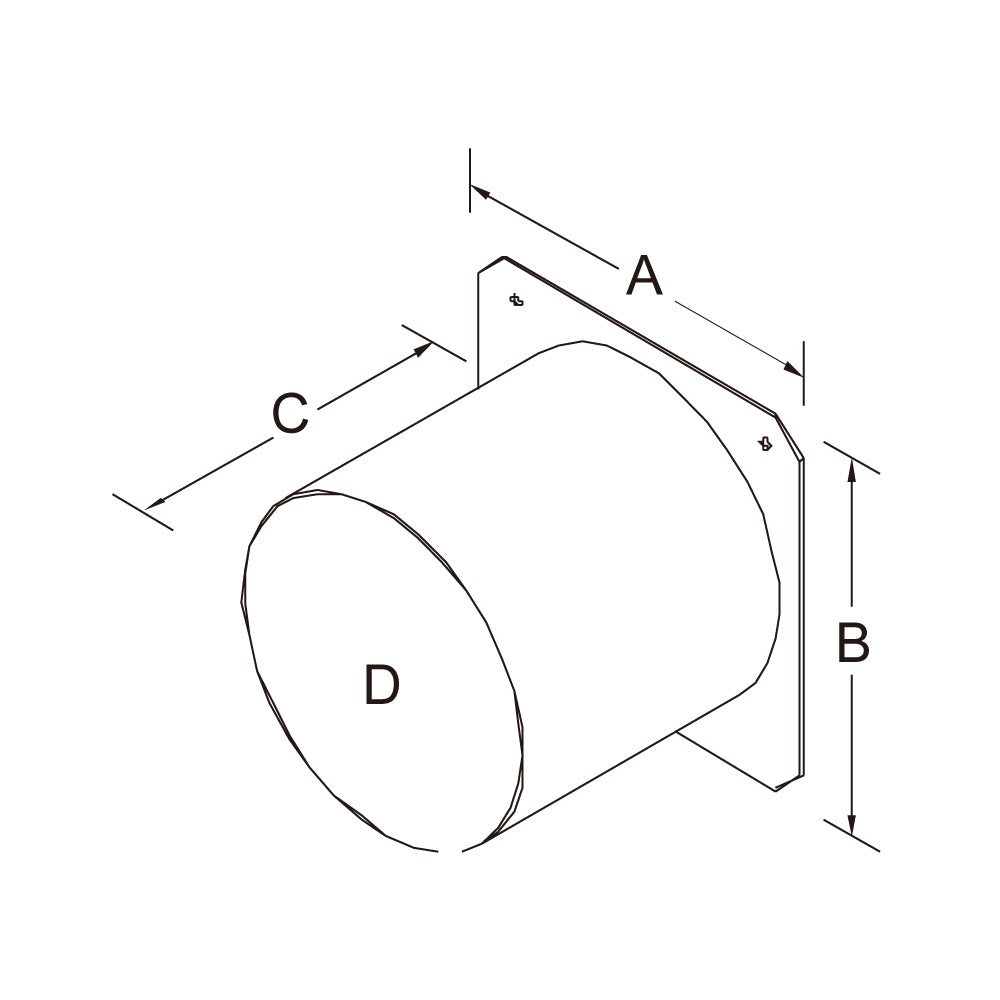
The ETP-T3S is a short half top hat for Short S4 type, made to block direct view of the lamp face while allowing the beam to pass. Its matt black cylindrical half-snoot reduces glare, visible scatter, and front-of-fixture spill in rigs where the fixture faces audience, camera, or reflective scenery.
Why It Matters
Sometimes the problem is not glare from every side, it is one specific audience or camera sightline. The half top hat blocks the problem side while keeping the fixture less enclosed than a full snoot.
Key Features
- short half top hat body helps hide the lamp and lens face from common audience and camera sightlines.
- Matt black paint minimizes reflection from the accessory itself, keeping the spill-control part visually quiet.
- Half-cylinder shape blocks spill directionally while leaving more side visibility than a full top hat.
- Host-specific fit keeps the accessory tied to the fixture family instead of relying on a generic snoot.
Host Fixture
Designed for Short S4 type. It provides glare reduction, beam shaping, and light-spill control at the fixture face, with the half top hat format selected according to the sightline and spill direction.
Applications
Useful for theatre front light, balcony positions, galleries, camera-facing fixtures, worship spaces, and event rigs where the audience can see into the fixture or where front spill needs to stay controlled.
Compatibility
Use with Short S4 type; match the fixture body and accessory size before substituting across Source Four, LEKO, PAR, or Selecon-style equipment.
Frequently Asked Questions
Will this change the lens angle?
No. A top hat controls glare and spill at the fixture face, but it does not change the lens tube or beam angle.
Why use a half top hat instead of the full version?
Use a half top hat when spill needs to be blocked mainly from one viewing direction while leaving the opposite side more open.
Does the matt black finish matter?
Yes. A dark, non-reflective finish keeps the accessory from becoming another visible bright surface near the lens.